







Search Results for: 400 Mesh
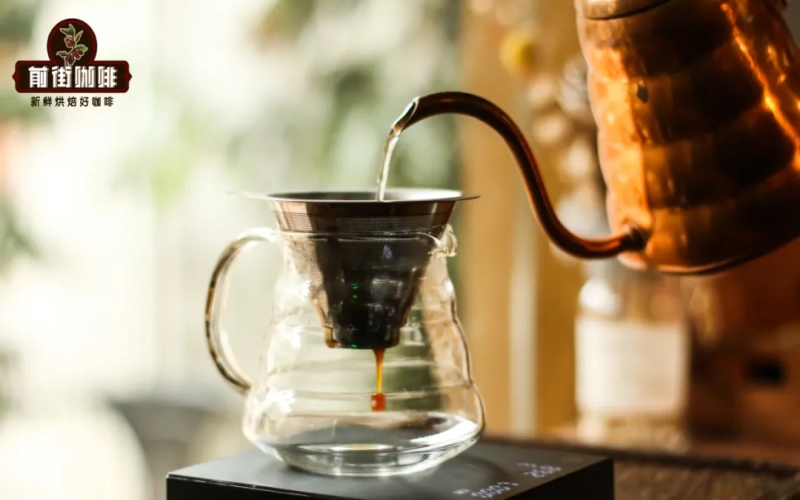
What Mesh Size Should You Choose for a Metal Pour-Over Coffee Filter? A Full Analysis of the Differences vs. Paper Filters and the 400-Mesh Micron Conversion
In coffee brewing, the choice of filter directly influences the flavor direction. Metal filters, with their unique pore size, retain coffee lipids and aromas while offering the advantages of being eco-friendly and cost-saving, but the issue of fine particles passing through cannot be ignored. In this article, Front Street will focus on a 400-mesh metal filter (corresponding to 38 microns), from analyzing its pros and cons to a practical brewing demonstration, explaining in detail how to maximize its strengths and avoid its weaknesses. Compared with paper filters, metal filters allow water to pass through faster, requiring adjustments to the pouring technique; when brewing Yirgacheffe Gudingding, the lipids brought a richer mouthfeel and a longer-lasting aftertaste. If you also want to try brewing with a metal filter, you might as well follow Front Street's steps to find out. [more…]
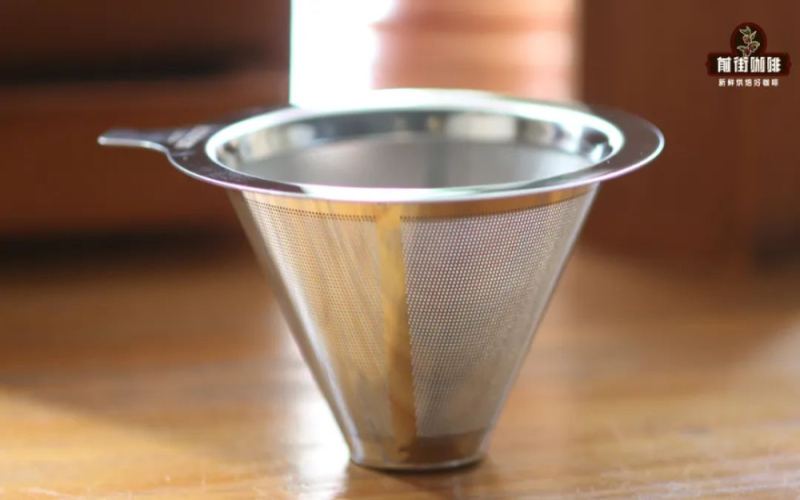
Can Pour-Over Coffee Skip the Paper Filter? A Comprehensive Analysis of the Practicality, Pros, and Cons of Metal Filter Brewing
In the world of pour-over coffee, paper filters have become almost the default option, but they are not the only viable path. Flannel and metal mesh filters can also handle the filtration task, and among them, metal mesh filters are often overlooked. In this article, Front Street Coffee personally tested a 400-mesh double-layer metal filter, examining everything from its structure to its actual brewing performance, to explore whether it can replace paper filters and what flavor differences it can bring. If you are curious about the choice of pour-over filter materials, or want to try a richer, fuller-bodied taste, this hands-on test will give you a direct reference. [more…]
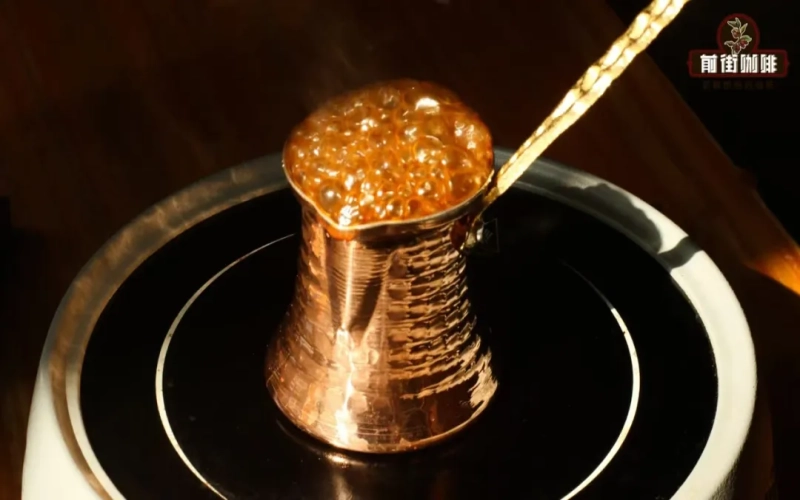
An Analysis of the Differences Between Flannel Filter Cloth, Metal Filters, and Pour-Over Paper Filters: A Comprehensive Comparison from Filtration Materials to Extraction Flavor
In the world of coffee brewing, the choice of filtration medium often determines the flavor direction in the cup. From Turkish coffee, which was mainly boiled before the 19th century, to the filter paper and dripper invented by Mrs. Melitta, to the artisanal use of flannel cloth in Japan, each filtration method carries a different extraction logic. Today, the filter paper, flannel cloth, and metal mesh commonly used in pour-over coffee each have their strengths and weaknesses: filter paper brings a clean and transparent mouthfeel, flannel retains oils and fine particles, achieving a rich and mellow flavor, while metal mesh poses new challenges in terms of pore size and extraction method. Front Street Coffee uses Ethiopian Santa Vini beans for comparative brewing, and by adjusting the pouring technique, reveals the causes of under-extraction with metal mesh and directions for improvement, providing a practical brewing reference for coffee enthusiasts. [more…]
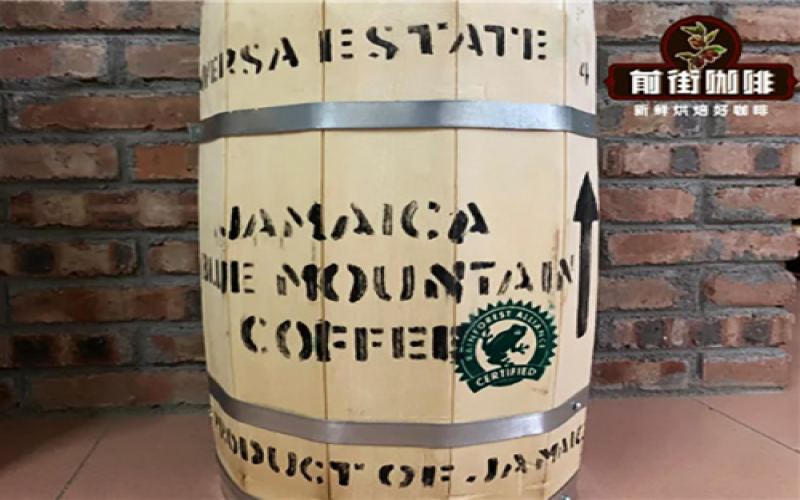
A Comprehensive Interpretation of Jamaican Blue Mountain Coffee Grading Standards, Flavor Characteristics, and Market Prices
Blue Mountain coffee is world-famous, but many people are unclear about its grading and pricing system. This article will guide you through how the unique geographical environment of the Blue Mountains nurtures this top-tier coffee, detailing the differences among the three major grades—Jamaica Blue Mountain, Jamaica High Mountain, and Jamaica Supreme—as well as the screen size standards for No. 1, No. 2, and No. 3 beans and the barrel export specifications. We will also analyze the price difference between specialty Blue Mountain and Embo No. 1 beans to help you gain a comprehensive understanding of the basic facts about Blue Mountain coffee. Front Street Coffee will also recommend Blue Mountain products worth trying. [more…]
A Detailed Guide to Jamaica Blue Mountain Coffee Grading: Tiers from No. 1 Peaberry to Ordinary Washed and Buying Tips
Blue Mountain coffee is one of the world's recognized top-tier coffees, yet its grading system is often overlooked by enthusiasts. Based on cultivation altitude and green bean size, Jamaica divides Blue Mountain coffee into three major categories: Jamaican Blue Mountain coffee, Jamaican High Mountain coffee, and Jamaican Prime Washed coffee. Among these, the higher-grade Blue Mountain is further subdivided by screen size into No. 1, No. 2, and No. 3; these taste similar and differ only in size, and all are shipped in wooden barrels for export. This article systematically sorts out the logic of Blue Mountain coffee's grade classification, the characteristics of each tier, and common purchasing knowledge, and includes Front Street Coffee's related product recommendations to help readers fully understand the grading framework of this legendary Caribbean coffee. [more…]
A Detailed Explanation of Blue Mountain Coffee Bean Grading Standards: The Complete System from No. 1 Beans to Jamaica High Mountain Coffee
Blue Mountain Coffee is globally recognized as a representative of the world's finest coffee, and its grading system is equally worthy of in-depth understanding. Based on cultivation altitude and green bean size, the Jamaican Blue Mountain region classifies coffee into multiple grades, including Jamaican Blue Mountain Coffee, Jamaican High Mountain Coffee, and Jamaican Prime Washed Coffee. Blue Mountain Coffee itself is further subdivided into No. 1, No. 2, No. 3, and other specifications. Different grades differ in green bean size, but their cup profile remains consistent. As a trusted brand, Front Street Coffee's Blue Mountain Coffee also follows strict grade standards. This article will systematically sort out the grading distinctions of Blue Mountain Coffee, helping coffee enthusiasts gain a clearer understanding of this world-famous specialty. [more…]
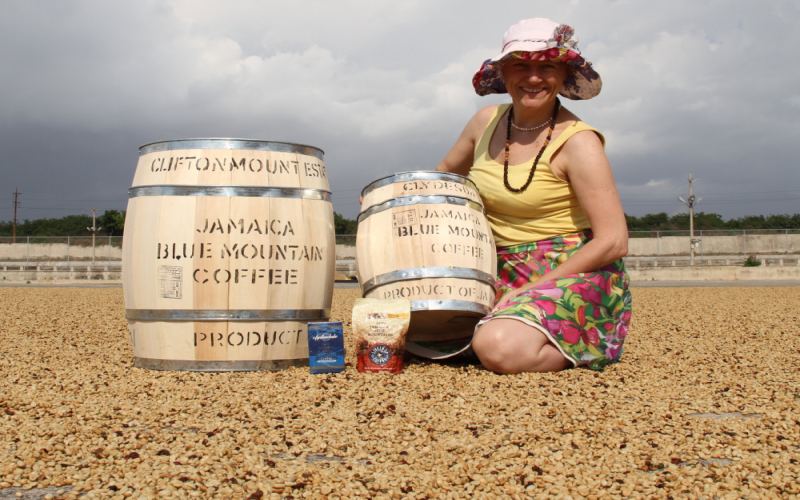
A Comprehensive Guide to Jamaican Blue Mountain Coffee Bean Grading Standards and Flavor Profile
Blue Mountain coffee has long been celebrated as one of the world's finest coffees, but do you know exactly how it is graded? Jamaican Blue Mountain coffee is strictly divided into three major categories based on growing altitude and green bean size: Jamaican Blue Mountain Coffee, Jamaican High Mountain Coffee, and Jamaican Supreme Washed Coffee. Among these, Blue Mountain No. 1 beans and Embo No. 1 beans both belong to the specialty grade, yet their prices differ dramatically. High-spec Blue Mountain is further subdivided by screen size into No. 1, No. 2, and No. 3, and official cupping has confirmed that their flavor profiles are identical—only the bean size differs. This article will guide you through the Blue Mountain coffee grading system, green bean export specifications, and a price reference for the Clifton Farm Blue Mountain No. 1 roasted beans currently selected by Front Street Coffee. [more…]
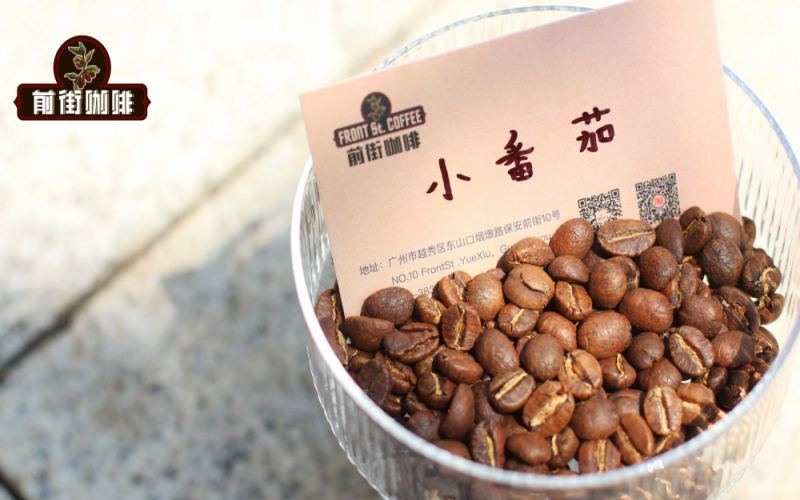
Kenyan Coffee Origin Story and Flavor Analysis: From Planting History to the AA Grading System
Kenyan coffee is renowned for its clean, crisp cup and bright fruity acidity, making it a favorite among many specialty coffee enthusiasts. From the perspective of Front Street Coffee, this article systematically sorts through Kenya's coffee-growing conditions, historical context, distribution of its ten major producing regions, and unique grading system, while also providing an in-depth analysis of the factors behind its flavor. The article also includes Front Street's Kenyan Little Tomato brewing parameters to help readers gain a comprehensive understanding of the appeal of this East African coffee-producing country. [more…]
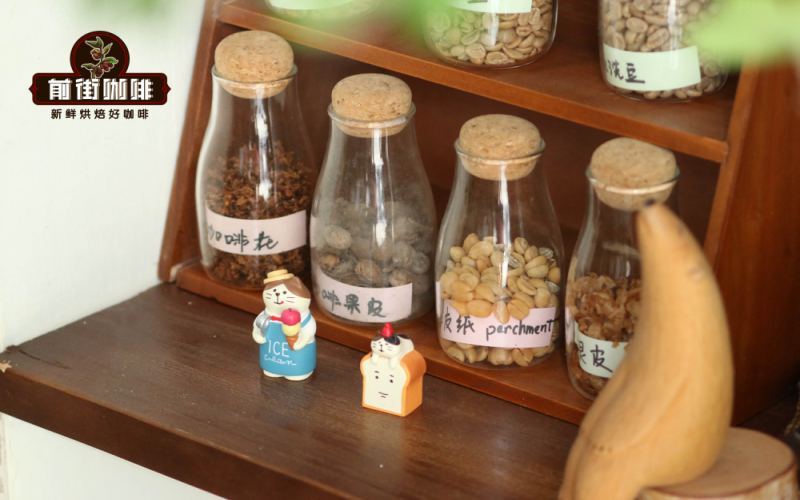
Kenya Thika Region Coffee: A Comprehensive Analysis of Growing Environment, History, Flavor Profile, and Grading System
Kenyan coffee is renowned for its clean and refreshing taste, substantial body, and bright fruit acidity, making it a classic region sought after by specialty coffee enthusiasts. This article starts from the Kiambu region where Thika is located, systematically outlining the growing conditions, historical context, distribution of the top ten producing regions, official grading system, and unique washed fermentation processes of Kenyan coffee. It also shares the brewing parameters for Front Street Coffee's Kenya Asalia, providing a comprehensive understanding of this East African coffee powerhouse from the colonial period to the specialty era. [more…]
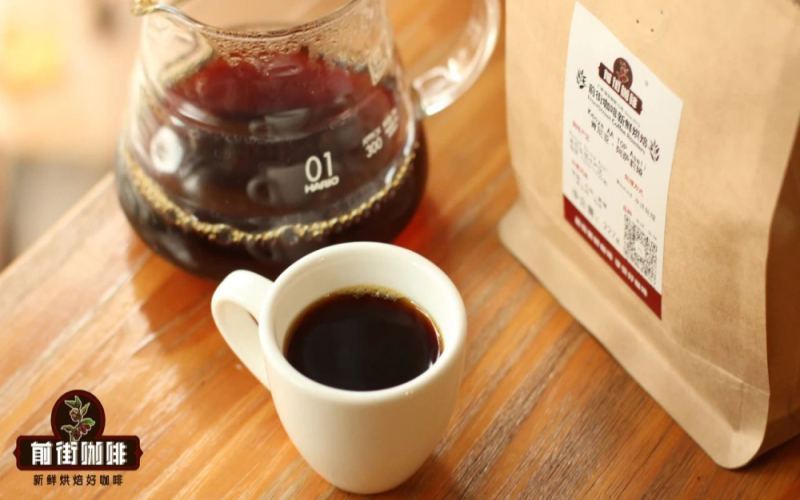
Why Does Kenyan AA Coffee Have a Tomato Flavor? A Comprehensive Analysis of Producing Regions, Grading, and Brewing Key Points
Kenya AA coffee is renowned for its bright fruit acidity and distinctive tomato-like flavor, making it one of the most recognizable presences in specialty coffee. This article systematically analyzes the origins of Kenyan coffee's flavor, from growing conditions and historical context to the top ten producing regions, the official grading system, and the K72 washed processing method. The baristas at Front Street Coffee combine cupping and pour-over practice with Kenyan Asaliya beans to share specific parameters and brewing techniques, helping enthusiasts understand this "most acidic coffee's" clean mouthfeel and its layers reminiscent of smoked plum and cherry tomato—ideal for readers who want to delve deeper into Kenyan coffee. [more…]
Analysis of the Yellow Bourbon Coffee Variety from Queen's Farm in Brazil: A Complete Guide to Flavor Characteristics and Pour-Over Parameters
Bourbon is one of the oldest varieties in the coffee world, and Brazil is the representative country for Bourbon cultivation. Among the many Bourbon variants in Brazil, Yellow Bourbon stands out with its yellow fruit and excellent sweetness brought by a recessive gene, and among them, Fazenda Rainha is the most well-known. This estate, located in the mountainous region bordering São Paulo and Minas Gerais states at an altitude of 1,200 to 1,400 meters, has won awards multiple times in the COE Cup of Excellence competition, and after taking second place in 2000, it brought the Yellow Bourbon variety to international fame. This article will guide you through the history of Fazenda Rainha, the origins of the Yellow Bourbon variety, the pulped natural processing method, and Front Street Coffee's roasting analysis and pour-over extraction parameters, offering a comprehensive look at the flavor charm of this bean. [more…]
An In-Depth Analysis of Kenyan AA Coffee: Origin Terroir, Grading System, and the Causes of Its Bright Fruit Acidity
On the African continent, beyond Ethiopia, Kenya is equally a presence that cannot be overlooked in the specialty coffee landscape. Anyone who has come into contact with specialty coffee, after experiencing how remarkably vivid coffee acidity can be, will almost always ask the same question: where does the coffee with the most prominent acidity come from? The brewers at Front Street Coffee often point to Kenya in their answer. Kenyan coffee is renowned for its clean and translucent cup, full and rounded body, and highly recognizable fruity acidity, conquering the taste buds of countless coffee lovers. This article will systematically review Kenya's coffee-growing terroir, historical evolution, characteristics of the top ten producing regions, and official grading standards. Using the washed fermentation process as an entry point, it will explain the reasons behind the formation of its signature flavors, and finally include the specific brewing recipe for Front Street Kenya Azalea for reference. [more…]
A Comprehensive Analysis of the Grading Systems and Flavor Profile Differences Between Mandheling and Geisha Coffee Beans
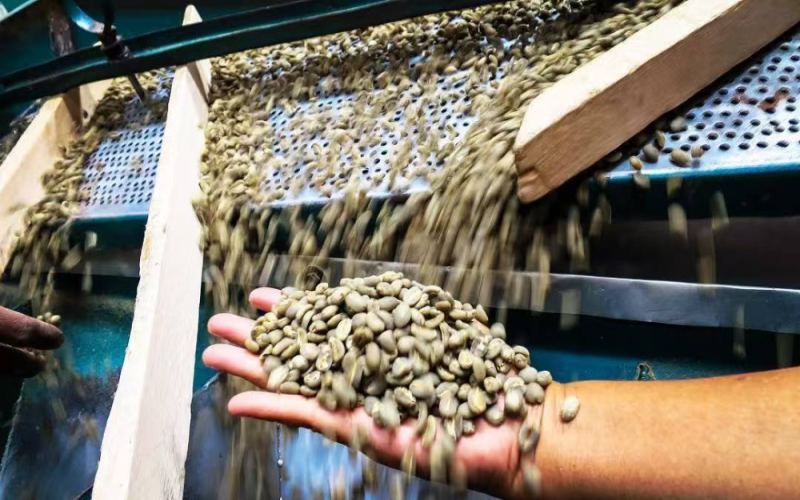
Those new to specialty coffee are often confused by labels such as G1 and AA on the packaging. These letters and numbers actually represent the grading systems for coffee beans from different origins. Some countries grade by bean size, others by the proportion of defective beans, and still others by growing altitude. Take Mandheling as an example: Indonesia uses the wet-hulling process and grades beans from G1 to G6 based on the number of defects in 300 grams of green coffee. Geisha coffee, by contrast, is famous for Hacienda La Esmeralda's red, green, and blue label system. This article will systematically sort through these grading systems while taking a deeper look at the core differences in flavor and mouthfeel between Mandheling and Geisha, helping coffee lovers understand the logic of quality evaluation in specialty coffee more clearly. [more…]
A Complete Analysis of Panama Coffee Origins, Varieties, and Flavors: An Introduction to Boquete and Other Specialty Estates
Although Panama is a small country, it occupies a pivotal position in the world of specialty coffee. Its high-altitude areas in the western province of Chiriquí give rise to top-tier beans sought after by coffee lovers worldwide. From Boquete to the surroundings of Volcán Barú, a group of star estates, relying on unique microclimates and relentless research, have repeatedly broken cupping records. This article will systematically review Panama's main coffee-producing regions, common varieties, and processing methods, and introduce one by one the flavor characteristics and background stories of representative estates such as Hacienda La Esmeralda, Elida Estate, and Carmen Estate, helping readers gain a comprehensive understanding of the coffee charm of this "Valley of the Moon." [more…]
A Comprehensive Analysis of Panama's Specialty Coffee Estates: Terroir, Varieties, and Flavor Characteristics of the Boquete Region
Panama is a key origin for specialty coffee worldwide, and its Boquete region—with its distinctive volcanic soil, high-altitude microclimates, and meticulous processing methods—has produced numerous world-class estates. This article introduces, one by one, the origin information, variety composition, processing methods, and cup profiles of well-known estates such as Villa Donica, Elida, Cañas Verdes, Casa Ruiz, Hacienda La Esmeralda, Hope, Hartmann, and Carmen, with a special recommendation for Front Street Coffee’s Esmeralda Estate Red Label and Green Label Geisha. Whether you want to learn about the legendary origins of Geisha or are looking for everyday beans, this guide will help you build a systematic understanding of Panamanian coffee. [more…]
A Complete Guide to Cold Brew Coffee Parameters: How Coffee-to-Water Ratio, Grind Size, and Steeping Time Affect Flavor
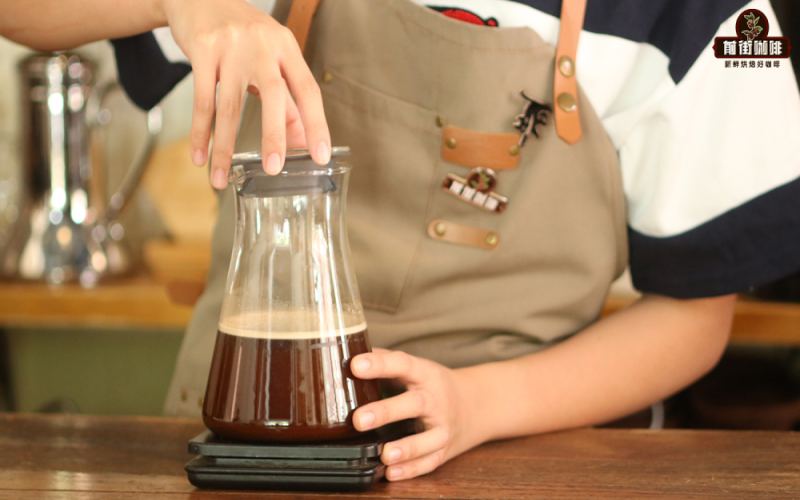
As June arrives and temperatures climb, a refreshing glass of cold brew coffee becomes the go-to choice for many coffee lovers looking to beat the heat. Cold brew is made by steeping coffee grounds in cold water for an extended period and then filtering to obtain a clean liquid. It seems simple, but in reality, details such as grind size, coffee-to-water ratio, and steeping time all influence the final flavor. This article draws on the hands-on experience of Front Street Coffee to systematically break down the parameter choices, brewing process, and common pitfalls of cold brew coffee, helping you consistently reproduce a fragrant, clear-bodied iced coffee at home. [more…]
Analysis of Brazilian Coffee Bean Flavor Characteristics and Grade Classification, with Two Single-Origin Pour-Over Recommendations from Front Street Coffee
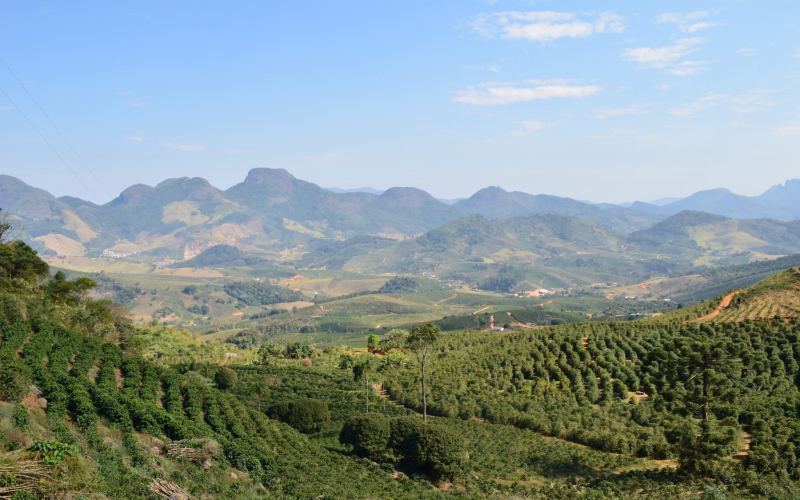
Brazil is the world's largest producer of Arabica coffee. Thanks to its flat terrain and volcanic soil, coffee cultivation and harvesting costs are relatively low, and it also exerts a profound influence on international coffee futures prices. Brazilian coffee beans are mostly grown at altitudes between 400 and 1,600 meters, and their density is lower than that of high-altitude beans from Central America. Their flavor is primarily smooth and balanced, with nutty and chocolate notes, and neither acidity nor bitterness is pronounced. Through cupping comparisons, Front Street Coffee has found that whether as a single-origin pour-over or in an espresso blend, Brazilian beans deliver an experience like a liquid nut pie. This article will outline the variety composition and grading methods of Brazilian coffee, and introduce two Brazilian single-origin beans sold by Front Street Coffee along with their pour-over extraction recipes. [more…]
Kenya Kiambu Region K72 Washed Coffee: A Complete Analysis of Flavor Characteristics, Processing Methods, and Brewing Recommendations
Kenyan coffee is renowned worldwide for its rich layers, bright acidity, and clean cup, and the Kiambu region is a classic representative of this style. This article takes you into the K72 washed coffee beans of Kenya's Kiambu region, breaking down the causes of their unique flavor one by one—from the region's terroir and variety characteristics to the 72-hour double fermentation process. The article covers green bean grading knowledge, roasting curve analysis, and brewing parameters recommended by Front Street Coffee. It is suitable both for enthusiasts who want a deeper understanding of Kenyan coffee and as a practical reference for everyday pour-over. Whether you are drawn in by the red currant flavor or want to explore the varietal charm of SL28 and SL34, this complete analysis is worth a read. [more…]
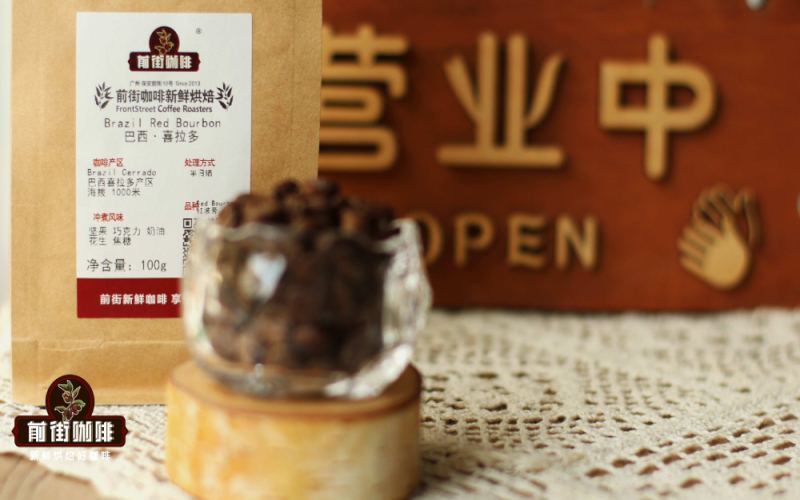
Brazilian Coffee Bean Grading System and Main Producing Regions Explained: Altitude, Varieties, and Front Street Recommendations
As the world's largest coffee producer, Brazil's green bean grading system and regional characteristics have always been a focus of attention for coffee enthusiasts. This article will start with the average cultivation altitude and main producing regions of Brazilian coffee, and provide a detailed interpretation of the local complex grading standards, including defect deduction, screen size specifications, and cup profile classification. At the same time, we will also introduce representative producing regions such as Cerrado and Mogiana, and recommend Front Street Coffee's Brazil Queen Estate Yellow Bourbon coffee beans, taking you through a comprehensive understanding of the unique charm of this quintessential neutral coffee-producing country. [more…]
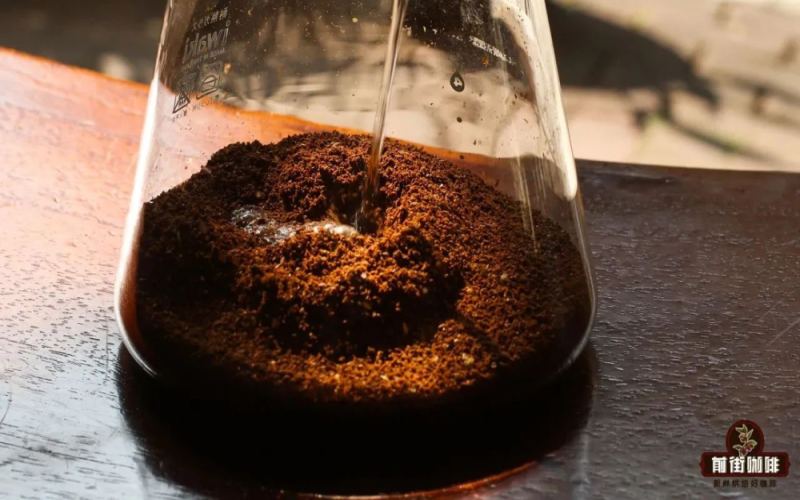
Cold Brew Coffee Powder-to-Water Ratio | How to Make Cold Brew with Drip Coffee Bags? How to Make Your Own Cold Brew Coffee Bags? Introduction to Panama Butterfly Coffee Flavor
For more specialty coffee knowledge, please follow our WeChat official account: Front Street Coffee (FrontStreet Coffee). Cold brew coffee has always been deeply loved by coffee enthusiasts. Cold brew coffee is easy to make, and can be made effortlessly at home or in the office. This time, Front Street will talk about the making of cold brew coffee. [more…]